Why Radio & TV Still Work: The Hidden Power of Reaching Established Homeowners
In the rapidly shifting digital landscape of 2026, many home service providers—from HVAC specialists to master electricians—have funneled their entire marketing budgets into “pay-per-click” (PPC) and lead-generation platforms. While these are effective for capturing immediate, high-intent searches, they often ignore a fundamental truth of the industry: The most profitable jobs are won long before the homeowner opens a search engine.
For home services businesses, success isn’t just about visibility; it’s about being the default choice at the exact moment a crisis occurs. Radio and linear television continue to be the heavy hitters in achieving this “default” status. By maintaining a consistent presence in the daily lives of established homeowners, these traditional channels build a psychological bridge of trust that digital ads often struggle to replicate.
The Established Homeowner: Identifying Your High-Value Audience
In the home services sector, not all leads are created equal. The “transactional” customer often shops on price alone, searching for the “cheapest plumber near me” during an emergency. Conversely, the established homeowner is the engine of sustainable business growth.
Who They Are and Why They Matter
Established homeowners are typically characterized by property ownership that spans 5 to 20 years. They don’t just “fix” things; they invest in their homes. This demographic represents the “sweet spot” for high-margin replacements and recurring service contracts.
- Property Investment: They actively maintain their property to protect its long-term resale value.
- Quality Prioritization: They value professionalism, branded equipment, and long-term warranties over the lowest bid.
- Financial Flexibility: This demographic holds a significant portion of household wealth, giving them the means for system upgrades (like high-efficiency HVAC units) and preventative maintenance.
- Relationship Seekers: They prefer having a “guy for that”—a trusted company they can call year after year without hesitation.
Long-Term Value Over One-Time Transactions
Reaching this audience through broadcast media creates a compounding effect. While a digital ad might get you one repair job, a well-placed radio or TV campaign earns you a lifetime customer who:
- Schedules biannual routine maintenance.
- Invests in high-margin system replacements (e.g., a full electrical panel upgrade).
- Acts as a brand advocate, referring your services to neighbors in high-value zip codes.
Why Familiarity Drives Home Services Decisions
Psychologically, homeowners do not make high-stakes decisions in isolation. Before an attic pipe bursts or an AC unit fails in the peak of summer, they have already subconsciously ranked local brands. This is known in psychology as the Mere Exposure Effect.
Trust Begins Before the First Interaction
In 2026, consumers are weary of “digital-only” companies that lack a physical or community presence. Repeated exposure through radio and TV signals that your business is:
- Stable: Only established, successful companies can afford consistent broadcast airtime.
- Local: Hearing a local DJ talk about your service or seeing your branded trucks on thelocal news builds “community credit.”
- Credible: Consistent messaging over months or years creates a sense of permanence that a pop-up social media ad cannot match.
The Role of Recognition in High-Trust Purchases
Allowing a stranger into your home is a high-trust decision. When a homeowner recognizes your brand from a TV spot or a catchy radio jingle, the “stranger danger” is neutralized. Familiarity reduces the perceived risk of a bad hire, making your company the “safe” and “easy” choice.
Radio Advertising: The Routine Multiplier
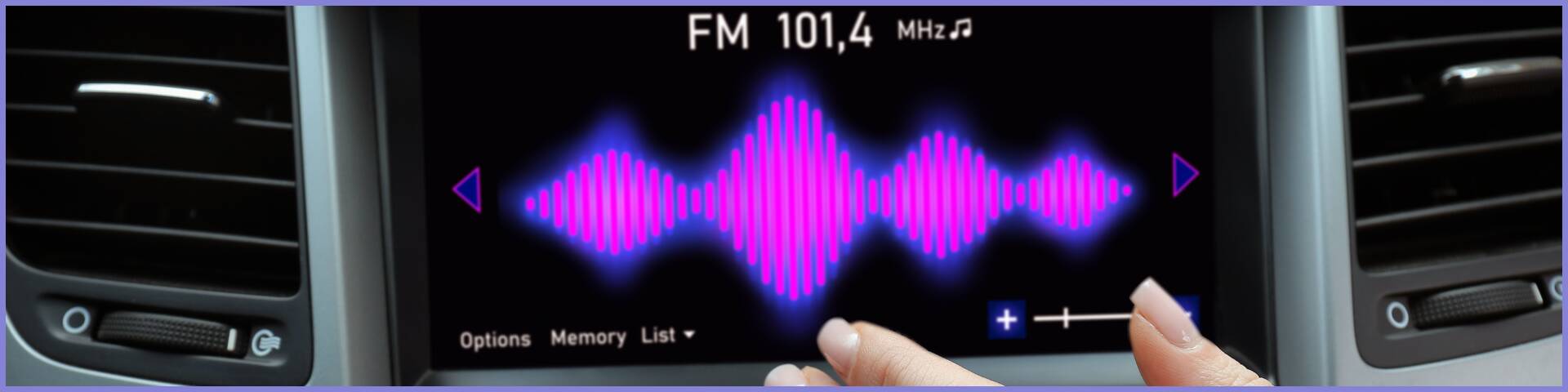
Radio remains a powerhouse for home services because it is a habit-based medium. Despite the rise of streaming, broadcast radio reaches a massive percentage of adults weekly, particularly those in the “Established Homeowner” age bracket (45+).
Why Radio Continues to Deliver Results
Radio is uniquely integrated into the “active” parts of a homeowner’s day:
- Routine Integration: Consumers tune in during commutes, morning coffee, or while working in the yard.
- Focused Attention: Audio messaging is often processed without the “banner blindness” that plagues digital browsing.
- High Frequency: Radio allows for high-frequency rotation at a lower cost than TV, ensuring your brand name is heard multiple times a week.
Owning “Drive Time”: The Most Impactful Window
“Drive Time”—the morning and evening commute—is the gold mine of radio advertising. During these windows:
- Audiences are Attentive: They are a captive audience in their vehicles.
- Mental Planning: People often think about their “to-do” lists while driving. Hearing about a local roofing inspection while stuck in traffic can trigger the exact “I need to do that” response your business requires.
The Power of Audio Branding
Audio branding—jingles, specific voices, or unique sound effects—creates “mental real estate.” Think of the most famous home service brands in your city; chances are, you can hum their jingle. That is the power of radio repetition. It turns a phone number or a slogan into a permanent memory.
Linear Television: The Authority Builder
While streaming usage has grown, linear television (broadcast and cable) remains the gold standard for establishing authority. In 2026, linear TV still commands massive attention during live events, local news, and prime-time blocks.
The Authority of the “Big Screen”
Television carries a psychological weight that social media ads do not. Brands that appear on TV are viewed as market leaders. This perceived professionalism is vital for home services, where you are often competing against uncertified operators who lack proper licensing or insurance.
Showing, Not Telling: Visual Proof
TV allows you to demonstrate your value proposition through sight, sound, and motion:
- Branded Vehicles: Seeing a fleet of clean, professional trucks builds a sense of scale and reliability.
- Uniformed Technicians: Showcases the type of professional, vetted individuals who will be entering the customer’s home.
- Before-and-Afters: High-definition visuals of a pristine new HVAC installation or a main-line sewer repair provide immediate “proof of work.”
The Psychology of Consistent Exposure
Consistency is the secret sauce of broadcast media. One ad doesn’t build a brand; one thousand ads do.
The Familiarity Effect
When we see or hear something repeatedly, our brains begin to categorize it as “safe.” In the home services world, “safe” equals “hired.” For a homeowner, choosing a company they’ve seen on TV for three years feels like choosing an old friend, even if they’ve never called you before.
Reducing Risk Through Recognition
Home services decisions often involve uncertainty. “Will they show up?” “Will they overcharge me?” Consistent visibility helps reduce that uncertainty by signaling that you are a legitimate, high-volume operation with a reputation to uphold. This is especially important in urgent situations where decisions are made quickly.
Top-of-Mind Awareness: Winning the “Urgent Moment”
Home services are frequently reactive. When a water heater fails at 2:00 AM, the homeowner doesn’t want to research twenty companies; they want a solution.
Immediate Recall is Critical
In an emergency, the human brain defaults to the most accessible information. This is Top-of-Mind Awareness (TOMA). If you have been “whispering” in their ear via radio and appearing in their living room via TV for months, your name will be the first one they remember.
Broadcast media ensures you are the “first call,” not just one of ten tabs open on a browser.
|
KPIs |
Description |
|
Branded Search Growth |
An increase in people typing “[Your Company Name]” into Google |
|
Direct Web Traffic |
Users going straight to your URL after hearing an ad |
|
Direct-Response Numbers |
Using unique phone numbers for specific TV/Radio spots |
|
Organic Lead Lift |
The overall rise in leads across all channels during a broadcast flight |
The Long-Term Value of Brand Equity
Consistent broadcast exposure lowers your Customer Acquisition Cost (CAC) over time. As your brand becomes more famous, your digital ads actually become more effective because people are more likely to click on a name they already recognize and trust.
Creating a Unified Marketing Presence
Radio and TV shouldn’t exist in a vacuum. To maximize your return on investment, your marketing must be a “symphony” of consistent touchpoints.
The Importance of Consistency Across Channels
A strong marketing presence requires:
- Cohesive Messaging: The offer on the radio should match the landing page on your site.
- Unified Brand Voice: If your TV ads are humorous and friendly, your social media and radio spots should be, too.
- Visual Alignment: Your trucks, uniforms, and website should all feature the same logos and colors seen on TV.
A Connected Customer Journey
A homeowner’s experience may include hearing your message on the radio during their morning commute, seeing your brand on the local news in the evening, and finally visiting your website when a need arises. Each touchpoint builds on the last, creating a seamless and recognizable brand experience that leads to a conversion.
Best Practices for Maximizing Results
- Commit to Long-Term Visibility: Consistency over time is essential. Broadcast is about building a brand, not a one-week “flash in the pan.” Commit to at least 6–12 months of presence.
- Focus on Clarity: Your messaging should be simple. Tell them what you do, why they should trust you, and how to reach you. Avoid cluttering a 30-second spot with too many offers.
- Frequency Over Reach: It is better to reach 10,000 people ten times than 100,000 people once. Repetition is what builds the memory.
- Prioritize Audience Alignment: Choose placements and timing (like local news or weather segments) that align with the viewing habits of established homeowners.
- Leverage Local Personalities: Use well-known radio DJs to endorse your service. Their existing trust with the audience transfers directly to your brand.
Frequently Asked Questions (FAQ) About Radio and TV
Is radio still effective for reaching homeowners in the age of Spotify?
Yes. While music streaming is popular, broadcast radio remains the dominant medium for local news, traffic, and community connection—the exact environment where local service brands thrive.
How does television support home services specifically?
Television builds the “celebrity” of your brand. It makes your technicians look like experts and your company look like the local leader, which justifies premium pricing.
Can these channels work alongside other marketing efforts?
Absolutely. Radio and TV act as a “force multiplier” for your digital ads. When people see your name on Google after seeing you on TV, your click-through rate (CTR) typically skyrockets.
How long does it take to see results?
While you may see immediate call spikes from specific offers, the true “brand power” of broadcast usually hits its stride between months three and six as frequency builds.
Building a Brand Homeowners Trust
Radio and linear television continue to play a vital role in building strong, recognizable brands—especially in industries where trust and reliability are non-negotiable. For home services businesses, these channels provide the consistent exposure and lasting credibility needed to dominate a local market.
At LMA Marketing & Advertising, we help businesses create cohesive strategies that build recognition, strengthen trust, and drive long-term growth. We don’t just buy airtime; we build the foundation of trust that turns your business into a household name.
If your goal is to become the brand homeowners remember—and rely on—radio and television are the essential components of that foundation.